


Understanding Your Pet’s Grooming Needs
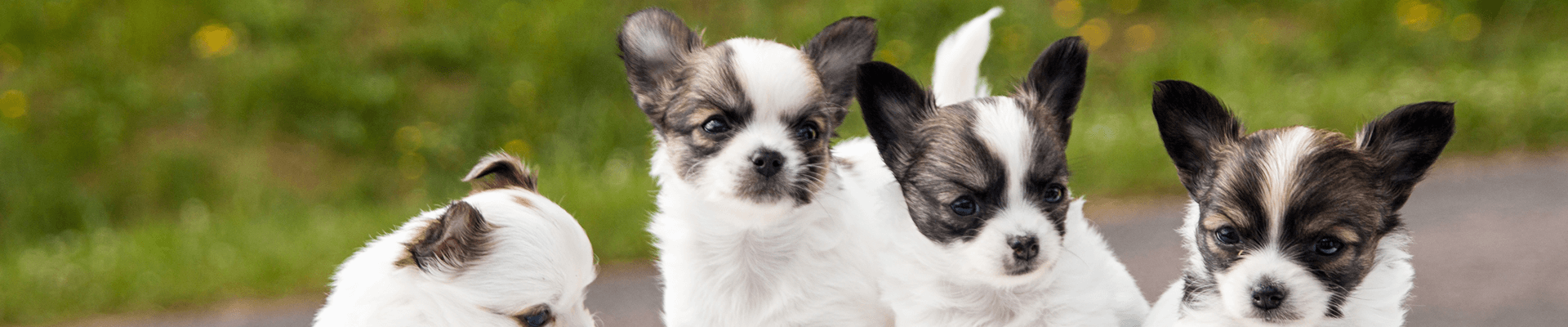
Grooming is an essential aspect of pet care that varies significantly across different species, breeds, and individual animals. Understanding your pet’s grooming needs begins with recognizing its specific characteristics. For instance, dogs come in various breeds, each with distinct coat types, such as short-haired, long-haired, curly, or wiry. A Chihuahua may require less frequent grooming compared to a Poodle, which necessitates regular combing and trimming to prevent matting. Similarly, cats, although they may be more self-sufficient in grooming, have varied needs based on their fur length and density. Long-haired breeds like Persians require regular brushing to avoid tangling, whereas short-haired cats generally demand less attention.
Beyond dogs and cats, smaller animals such as rabbits and guinea pigs also have unique grooming requirements. Rabbits need regular nail trimming to prevent overgrowth, while guinea pigs benefit from occasional brushing to keep their coats clean and free of debris. Understanding these specific grooming needs is vital, as it influences the grooming frequency, techniques, and appropriate products you should employ.
Moreover, establishing a grooming routine not only contributes to your pet’s physical health but also has profound emotional benefits. Regular grooming can be a bonding experience, reducing anxiety and stress for your pet while promoting relaxation. Additionally, recognizing individual grooming needs in pets based on factors such as age, size, and health conditions is crucial. Older pets or those with health issues may require gentler techniques and more frequent grooming sessions. Paying close attention to your pet’s changing needs over time allows for better care and a more fulfilling relationship between you and your furry companions.
Essential Grooming Tools and Products
Grooming your pet at home requires the right tools to ensure their comfort and hygiene. A well-equipped grooming kit can significantly enhance the grooming experience for both you and your furry companion. The basic grooming tools that every pet owner should consider include brushes, combs, clippers, and nail clippers. Choosing the appropriate brush is crucial; for example, a slicker brush is effective for removing tangles and mats in long-haired breeds, while a bristle brush works well with short-haired pets. Additionally, combs can help in detangling and distributing natural oils, contributing to a healthy coat.
For pets with thicker or longer fur, specialty tools like de-shedding tools or dematting rakes can be incredibly helpful. De-shedding tools, such as the Furminator, reduce loose fur and minimize shedding, while dematting rakes can gently remove stubborn mats without causing discomfort. When it comes to trimming fur, using high-quality clippers specifically designed for pet grooming is essential. Brands like Andis and Wahl offer clippers that are durable and efficient, tailored to suit various coat types.
Beyond the basic grooming tools, maintaining your pet’s hygiene involves the use of appropriate grooming products. Pet-safe shampoos and conditioners are vital for cleansing without irritating the skin. Look for products that are sulfate-free and formulated for your pet’s specific coat type to achieve the best results. Furthermore, incorporating dental care products, such as pet-friendly toothpaste and toothbrushes, can ensure that your pet’s dental hygiene is not neglected. Regular brushing and bathing will contribute significantly to your pet’s overall wellness and hygiene.
In conclusion, having a comprehensive set of grooming tools and products is imperative for effective at-home pet grooming. By selecting the right tools based on your pet’s needs, you enhance their quality of life and strengthen your bond with them through regular grooming sessions.
Step-by-Step Grooming Techniques
Grooming your pets at home can be a rewarding experience, enhancing both the bond you share with your furry friends and their overall well-being. The grooming process varies according to pet type; hence, this guide will provide detailed instructions tailored for dogs and cats.
For dogs, start with bathing. Use lukewarm water and a pet-friendly shampoo. Ensure the dog’s coat is thoroughly wet, apply shampoo, and massage it into the fur, avoiding the eyes and ears. Rinse until the water runs clear, and dry your dog with a towel or a pet-safe blow dryer. Brushing follows; select a brush suitable for your dog’s coat type. For example, a slicker brush works well for long-haired breeds, while bristle brushes are ideal for short-haired dogs. Brush gently to detangle and remove loose hair.
Nail trimming is another essential grooming technique. Use pet-specific clippers, and be cautious not to cut into the quick, which can cause bleeding. If you’re unsure, consult with a veterinarian or watch instructional videos to familiarize yourself with the process. Finally, ear cleaning can be conducted using a soft cloth and a veterinarian-recommended cleaner. Gently wipe the outer ear, being cautious of the inner ear canal.
For cats, the bathing process is typically not necessary unless they get into something particularly messy. Instead, focus on regular brushing to minimize shedding and matting. Use a slicker brush or grooming glove designed for felines. When trimming nails, aim for every couple of weeks; ensure you use appropriate clippers for cats and avoid the quick.
Handling anxious or uncooperative pets may require patience. Create a positive grooming environment by introducing snacks and allowing breaks. Gentle reassurances and calming techniques can be beneficial. To enhance your understanding, consider utilizing visual aids or links to high-quality video tutorials that demonstrate these grooming techniques effectively.
Addressing Common Grooming Challenges
Grooming pets at home can often present unique challenges that may deter pet owners from maintaining a consistent grooming routine. One such issue is matted fur, which is particularly common in breeds with long or curly hair. Matted fur not only looks unkempt but can also lead to skin irritation and infections. To tackle this problem, it is essential to establish a regular grooming schedule that includes brushing. Using a slicker brush or a de-shedding tool can help keep the fur untangled and reduce matting. For severe cases, you may need to gently work through the matts with your fingers or use a detangling spray designed for pets. However, if the matting is extensive, seeking the assistance of a professional groomer may be the best course of action.
Stubborn coat types can also complicate the grooming process. Some pets may resist being brushed or bathed, revealing behavioral issues that stem from anxiety or discomfort. To address this, it is advisable to introduce grooming tools gradually and associate them with positive experiences, such as treats or playtime. Patience is key; allow your pet to become accustomed to the grooming routine at their own pace. If they display signs of distress, take a step back and try again later, ensuring that grooming remains a positive interaction.
Regular veterinary check-ups are crucial for maintaining a pet’s overall health, including their grooming needs. A veterinarian can provide guidance on the specific grooming requirements for your pet’s breed and recommend suitable products. Establishing a grooming routine not only helps manage fur, skin, and nail health but also strengthens the bond between you and your pet. Overall, by approaching grooming challenges with patience, understanding, and positive reinforcement, owners can ensure a smoother experience for both parties. In conclusion, overcoming these challenges is an integral part of effective pet care and can lead to a healthier and happier pet.
Leave a Reply